
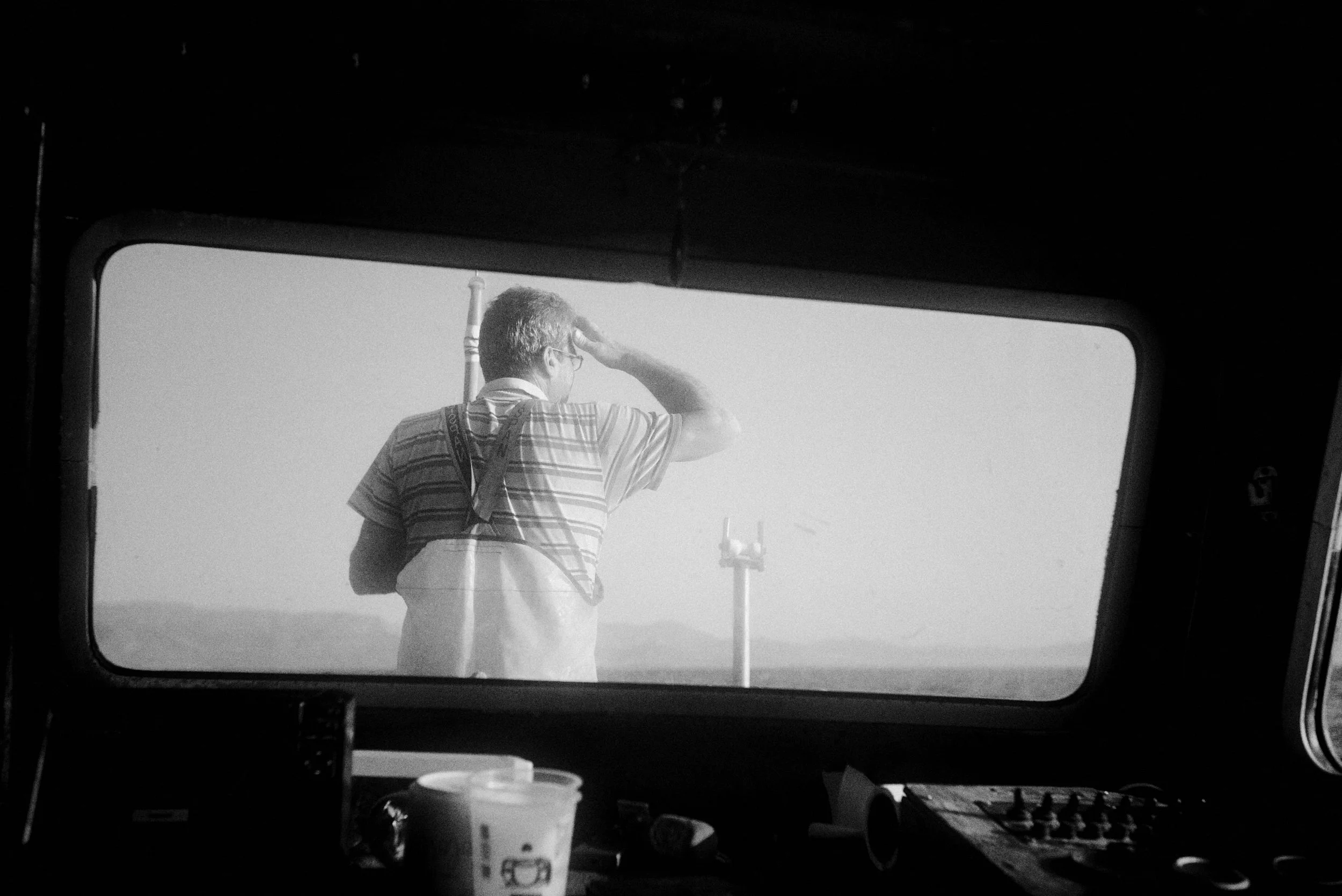
Vanishing Tides
A photo essay about the few remaining fishermen in Greece and the challenges they face, told from the perspective of the fisherman Stelios.
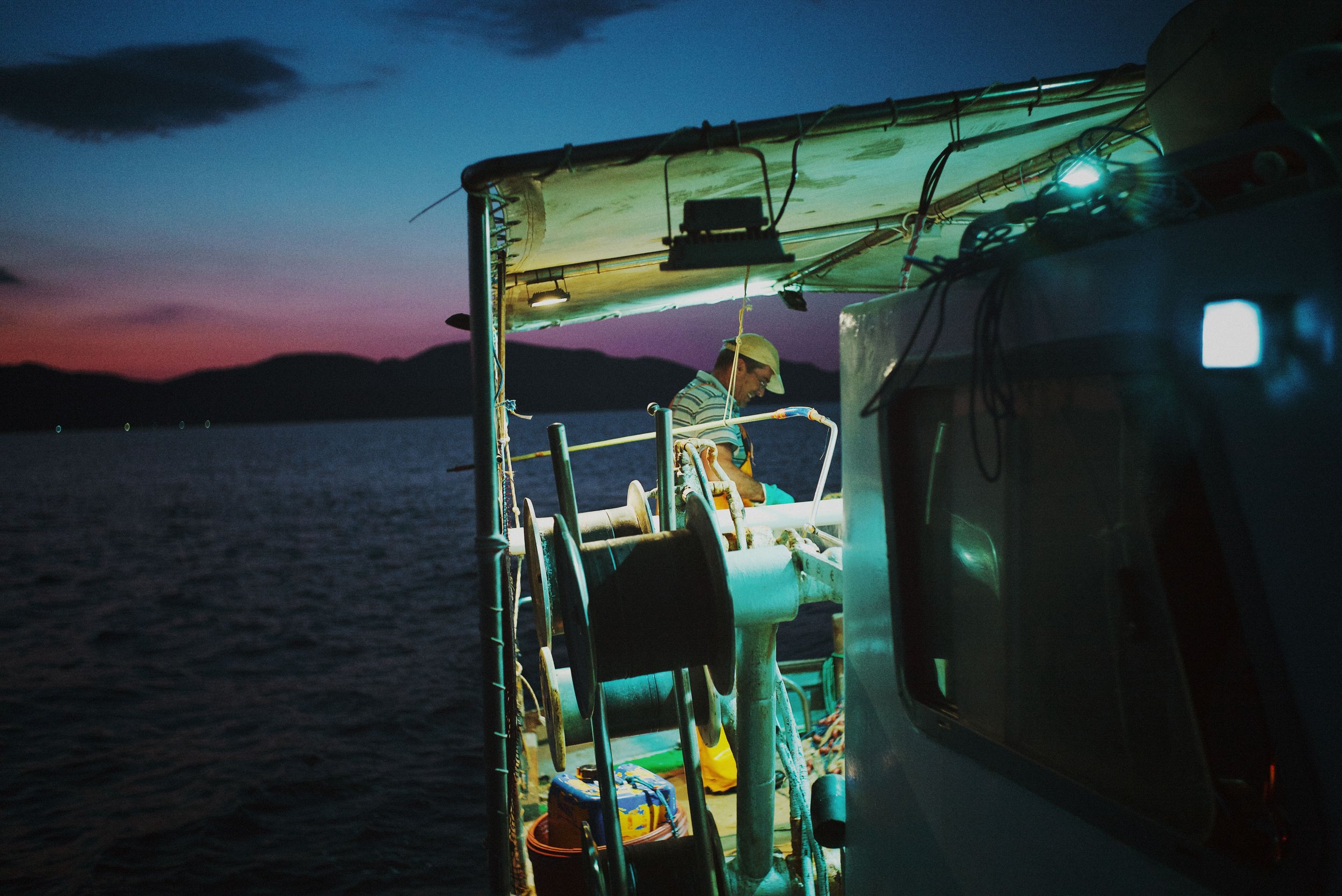
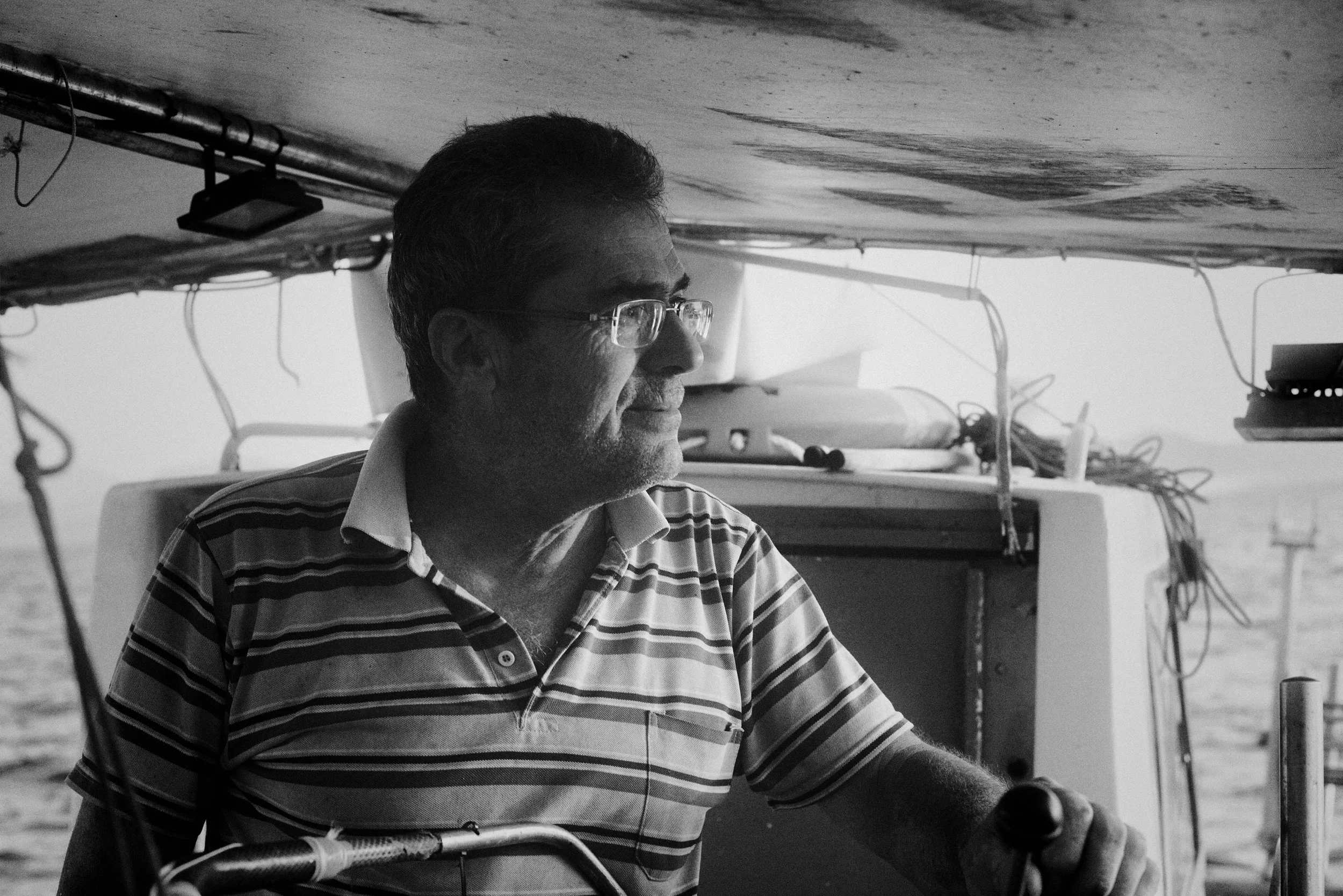
Stelios
Fisherman in Greece
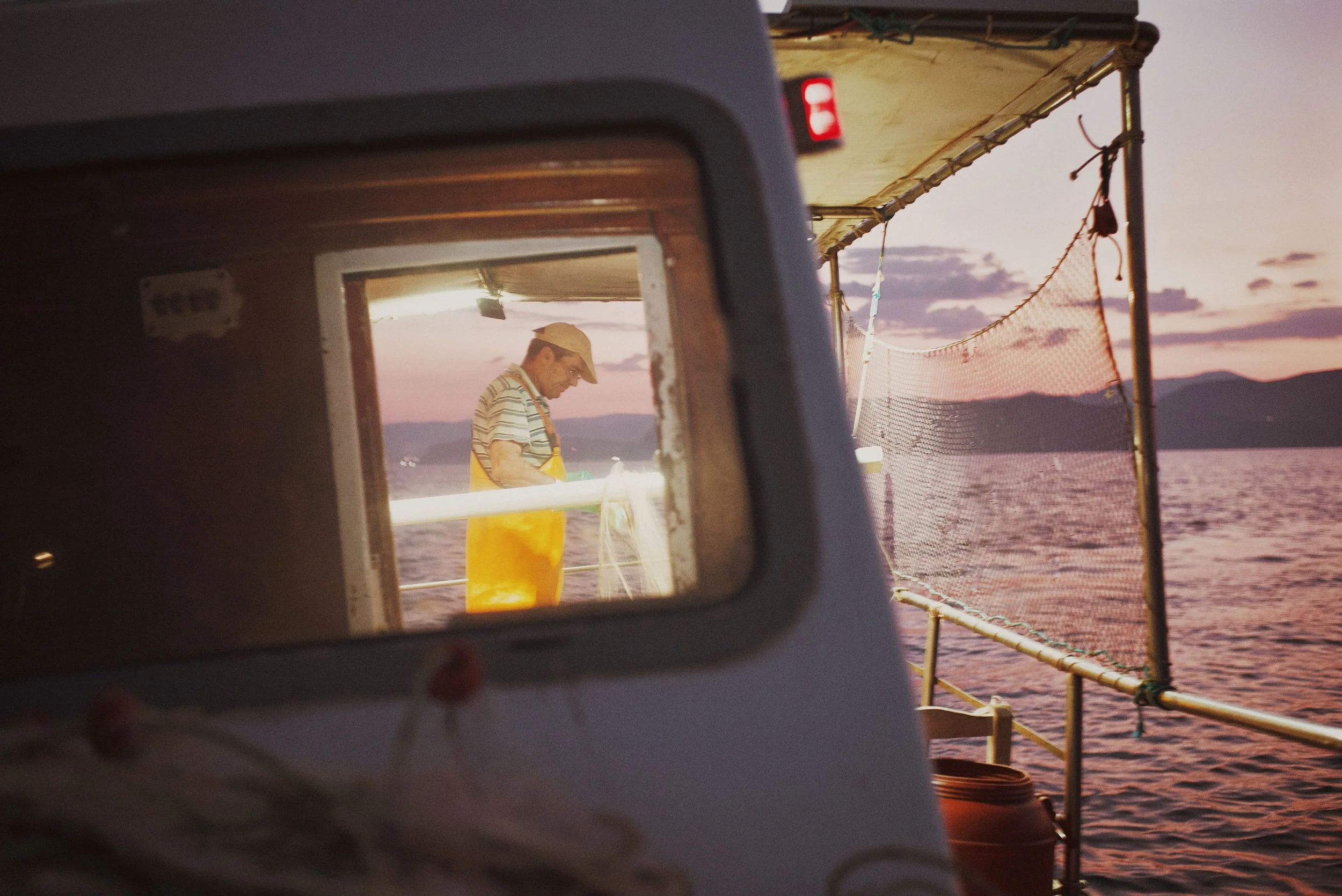
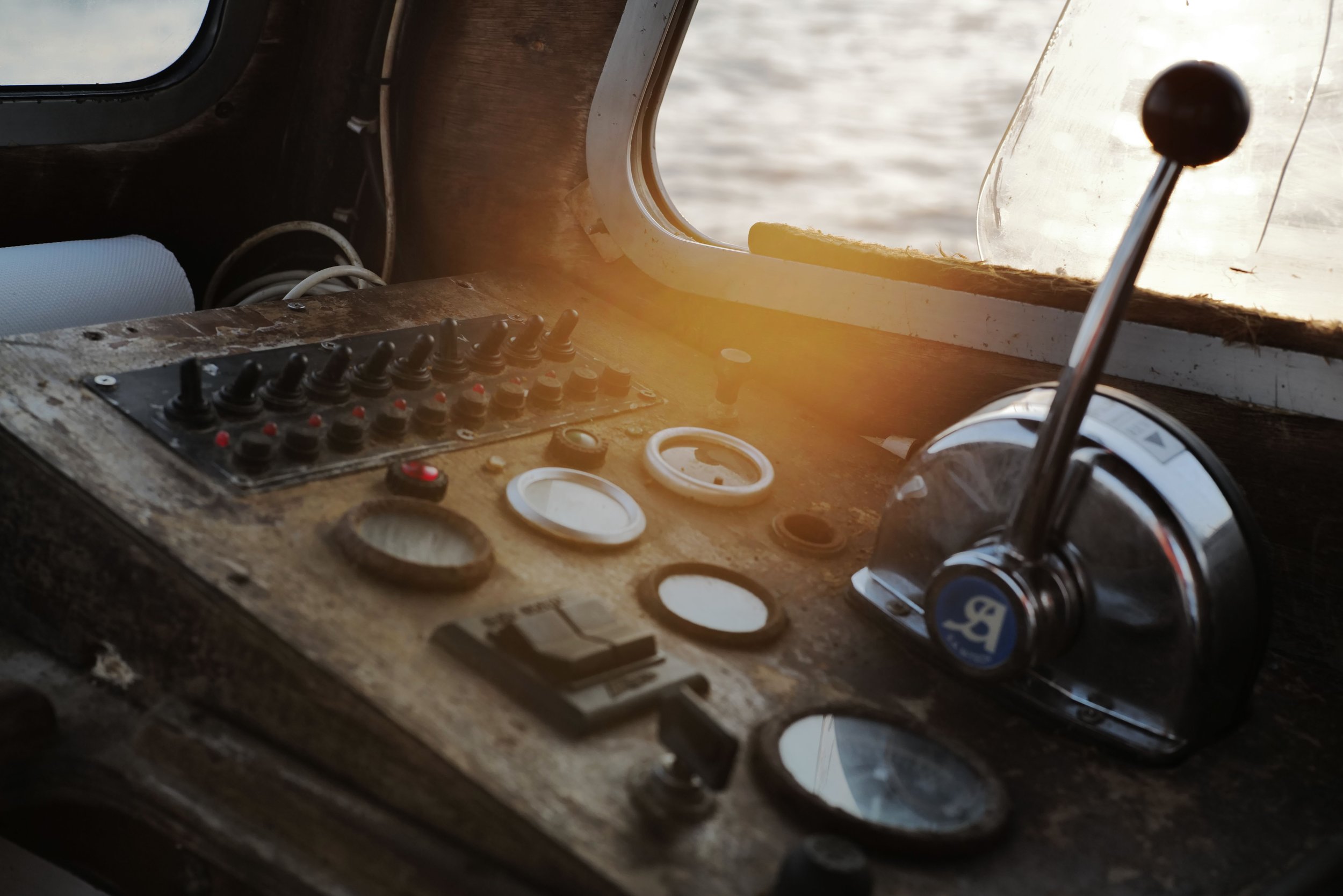
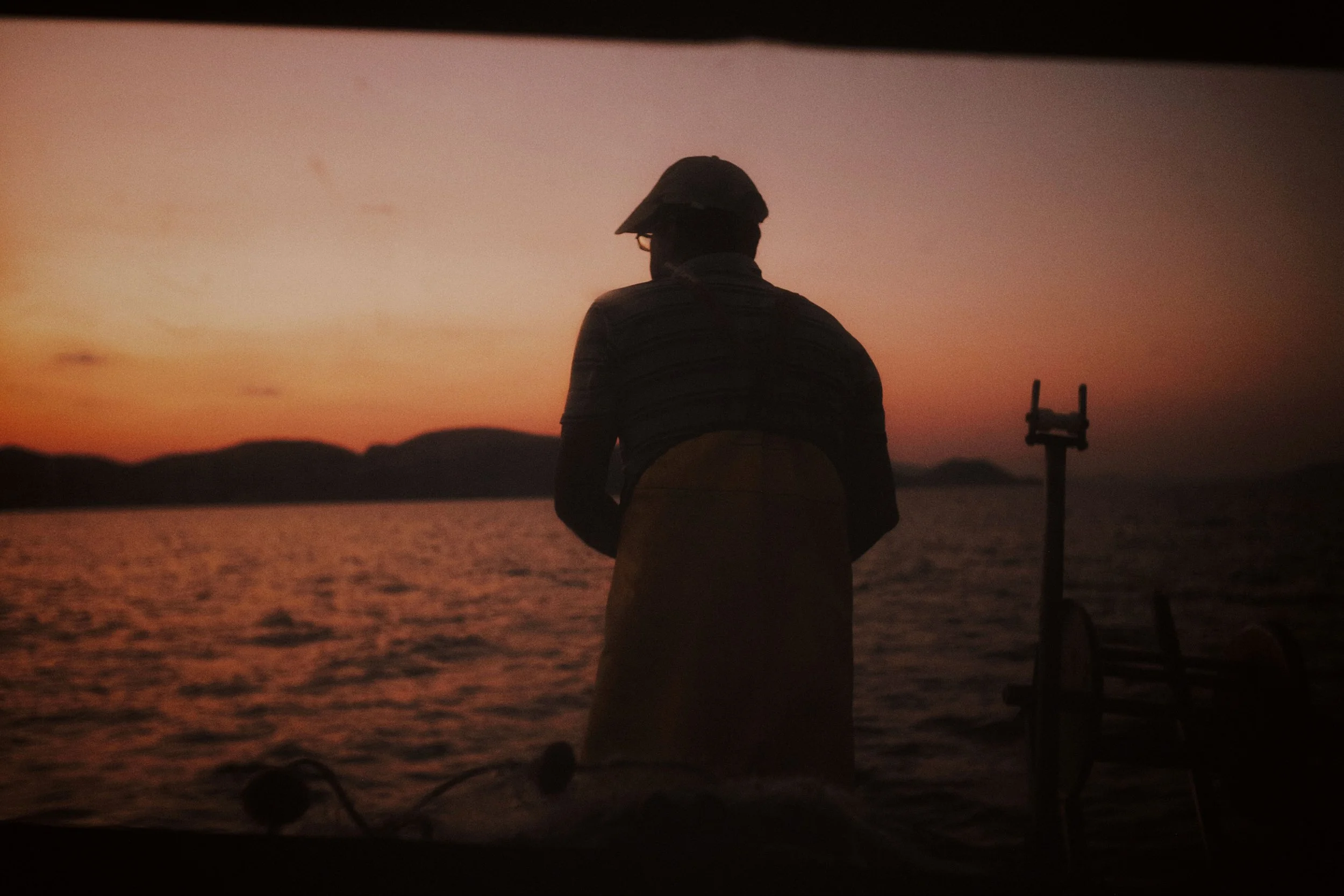
Every morning at 4.30 am, day in, day out.
What for us is just a Monday morning in the Greek coastal village of Nea Kios is everyday life for Stelios. He has been working as a fisherman in Greece for over 50 years. He has been heading out to the open sea every day since he was nine. First with his father in Thessaloniki, and later on his own in the fishing village near Nafplio. He is probably part of the last generation of fishermen in Greece, as it is almost impossible to find anyone who wants to learn this trade.
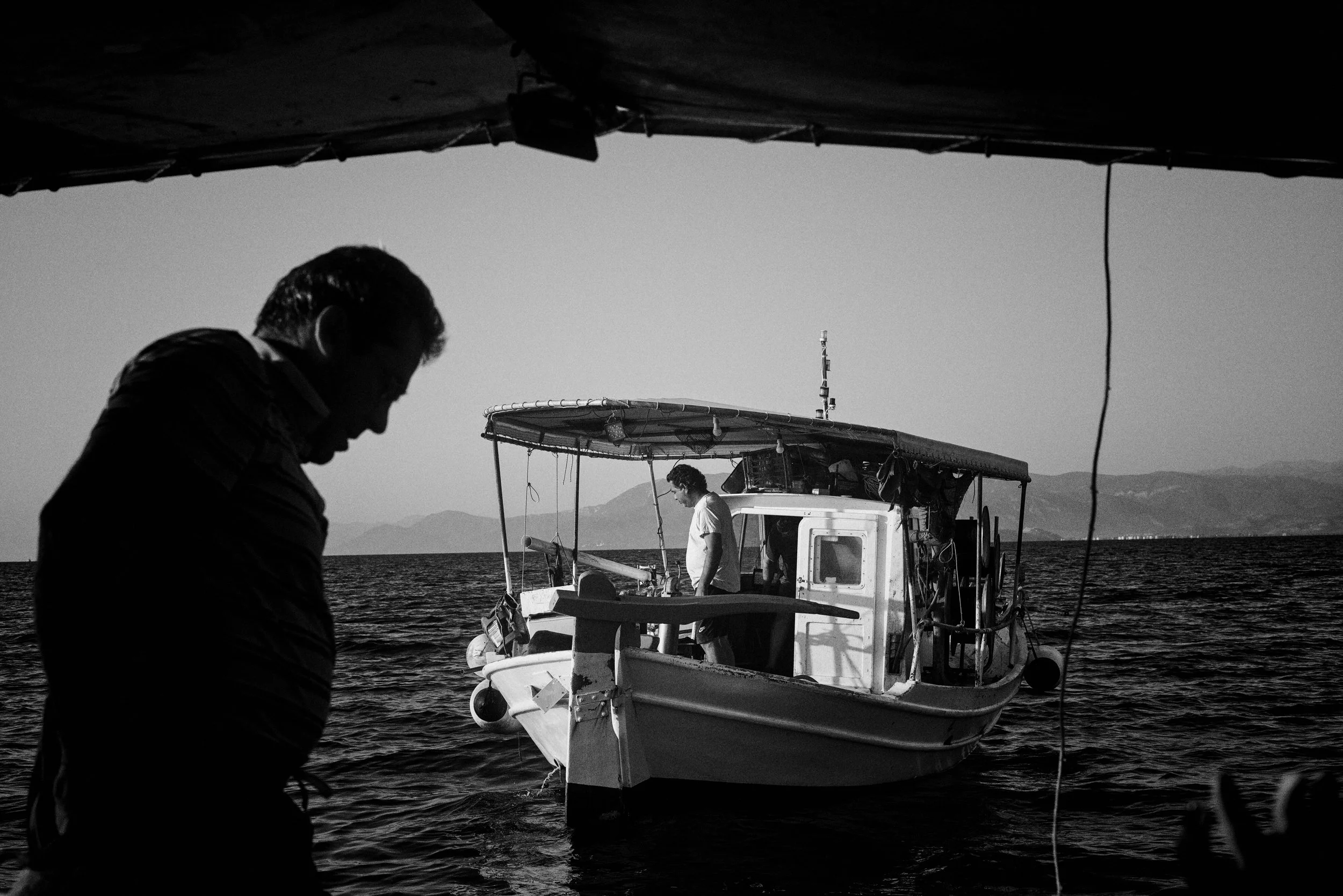
We meet at around 4.25 am at the harbour in Nea Kios. There are a few small fishing boats moored here, all of which are showing their age. It is one of the larger fishing harbours in the region, with perhaps 20 boats. One of them belongs to Stelios. He has owned his boat, the ‘Andreas’, for just under seven years. Before that, he had a slightly larger boat, but it was no longer profitable.
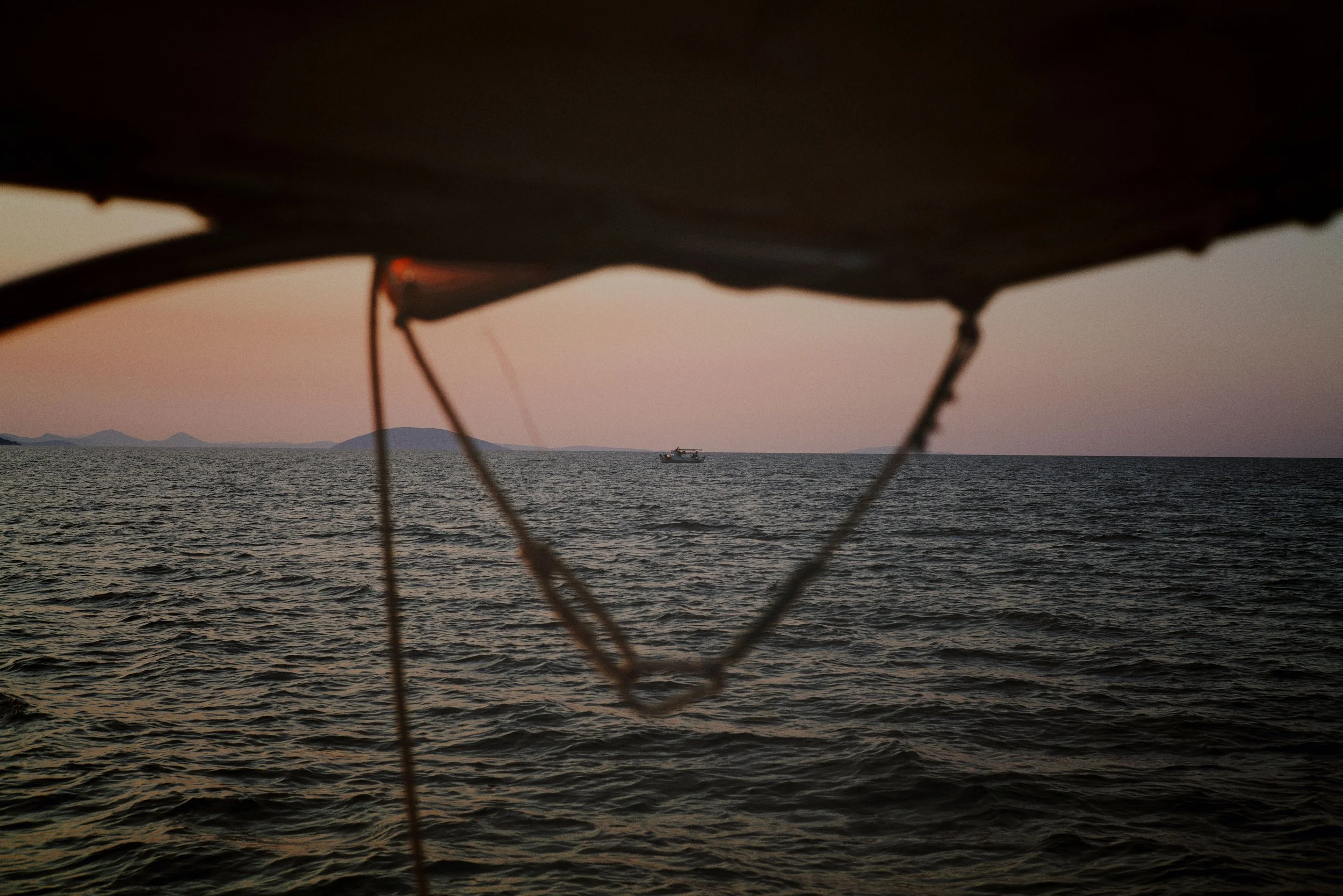
We leave the lights of the little harbour behind us and head out into the pitch-black void. Only a few points of light are visible on the horizon; a couple of fishermen had already set out earlier. A navigation system assists him, even though he knows the area like the back of his hand. The system shows us a water temperature of 28 degrees and a depth of about 30 metres. In summer, when the water is warmer, fishing is more difficult, Stelios tells us.
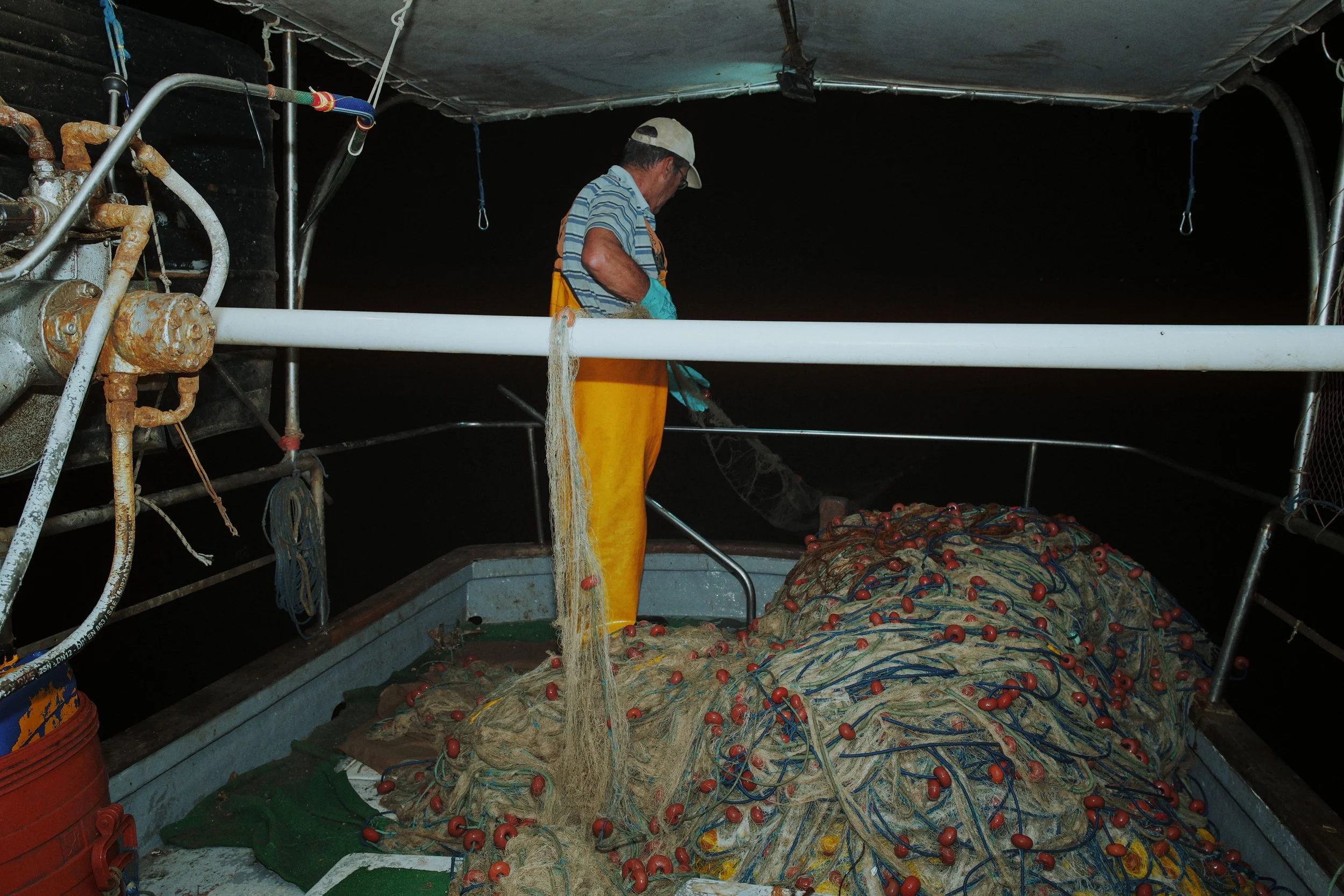
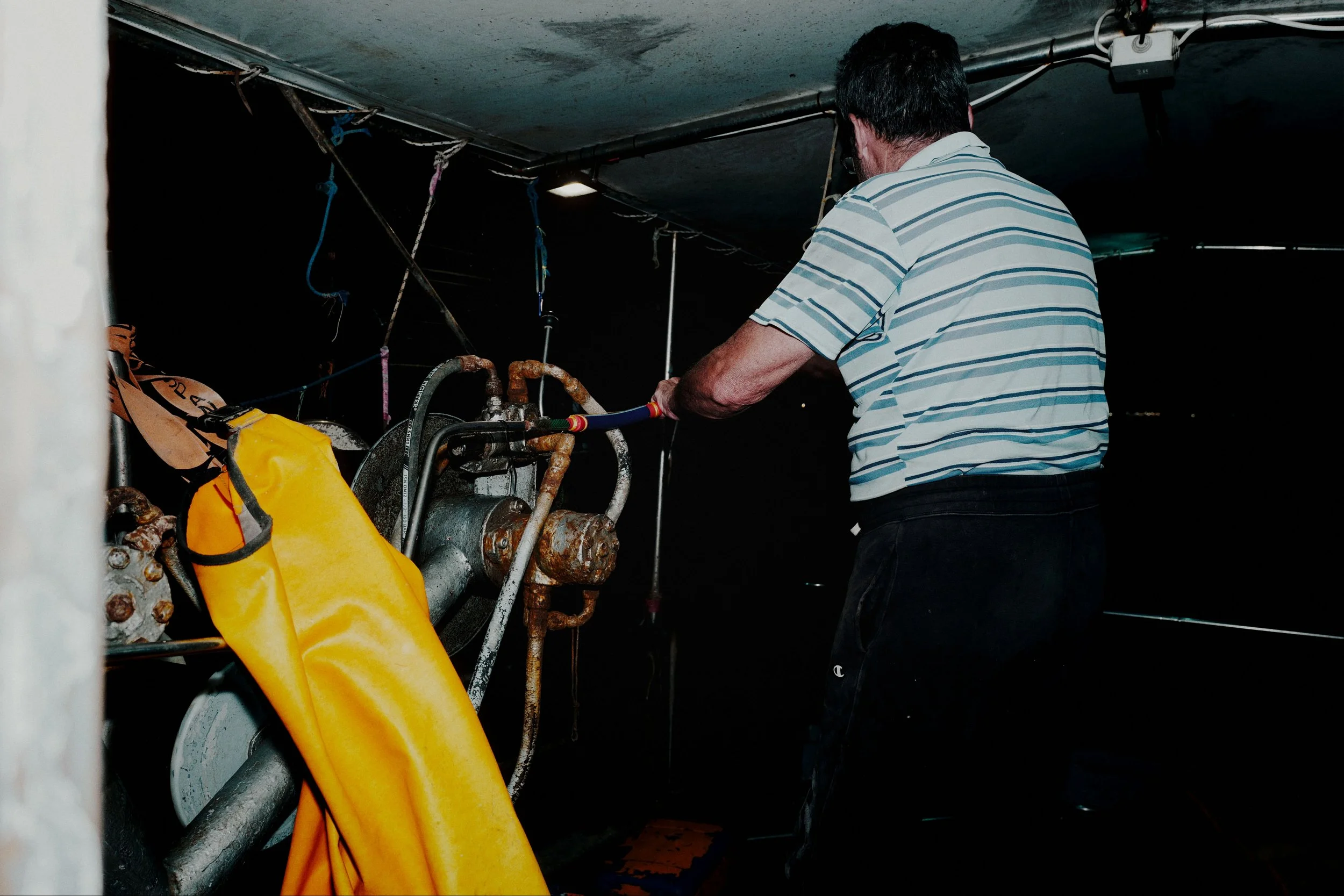
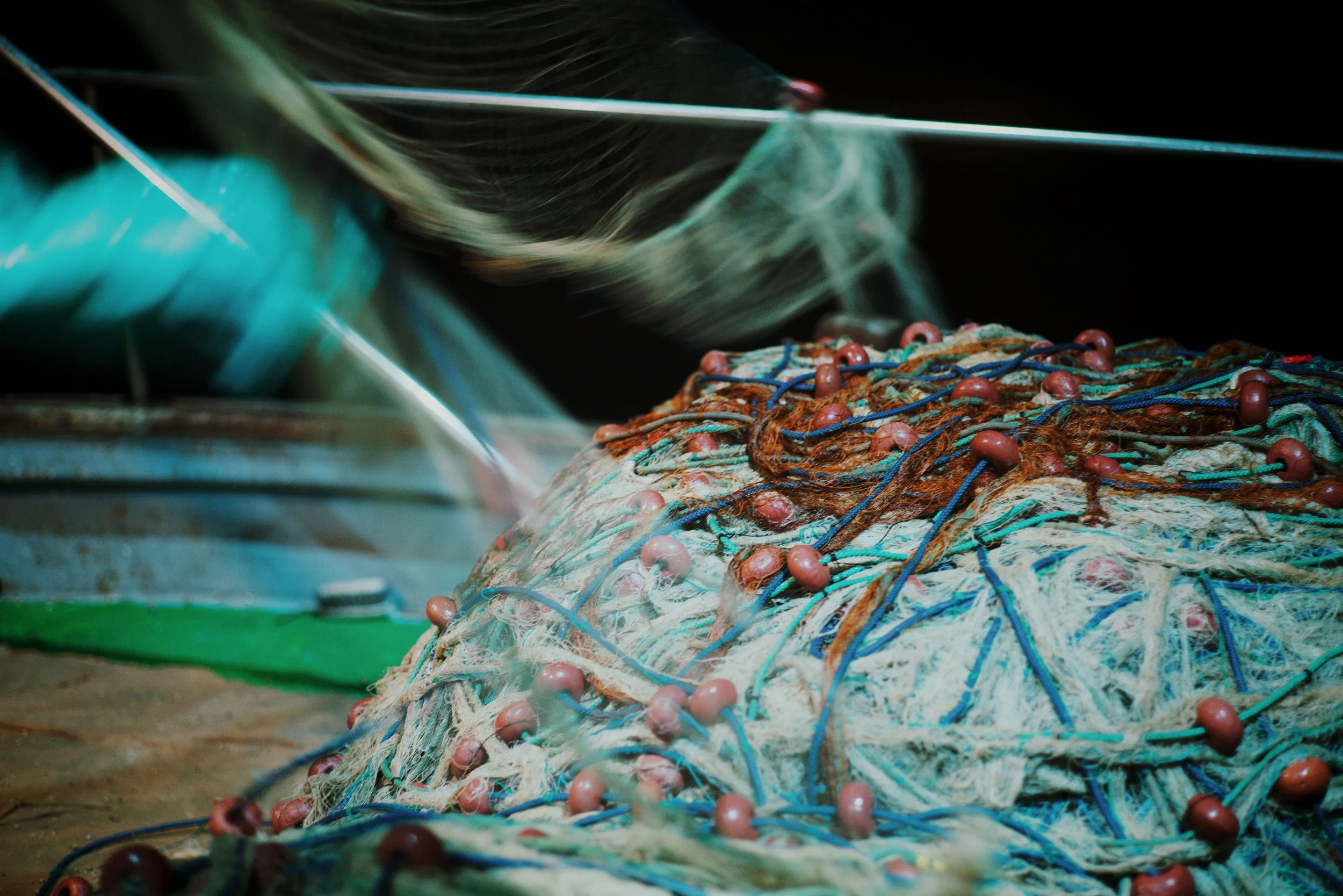
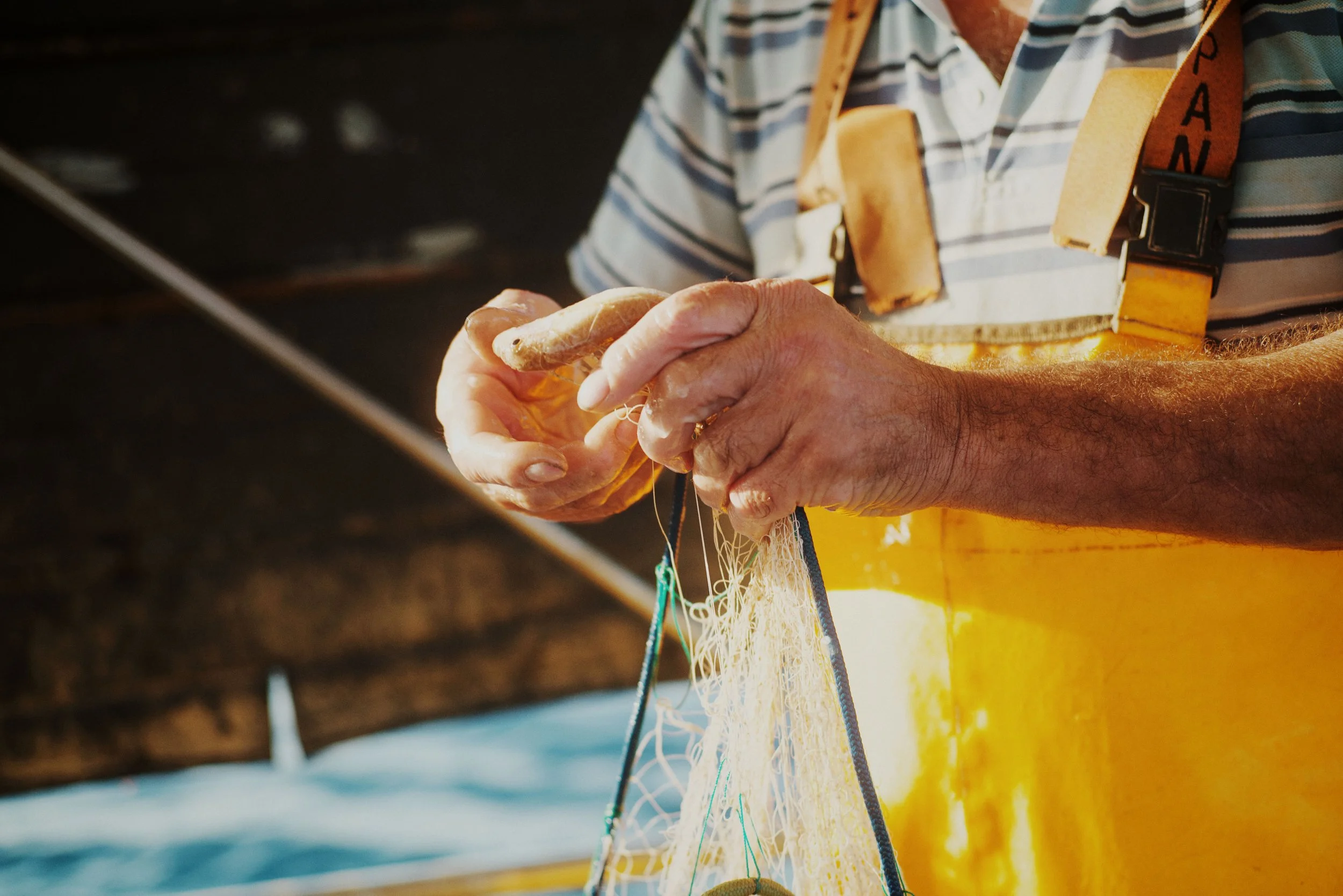
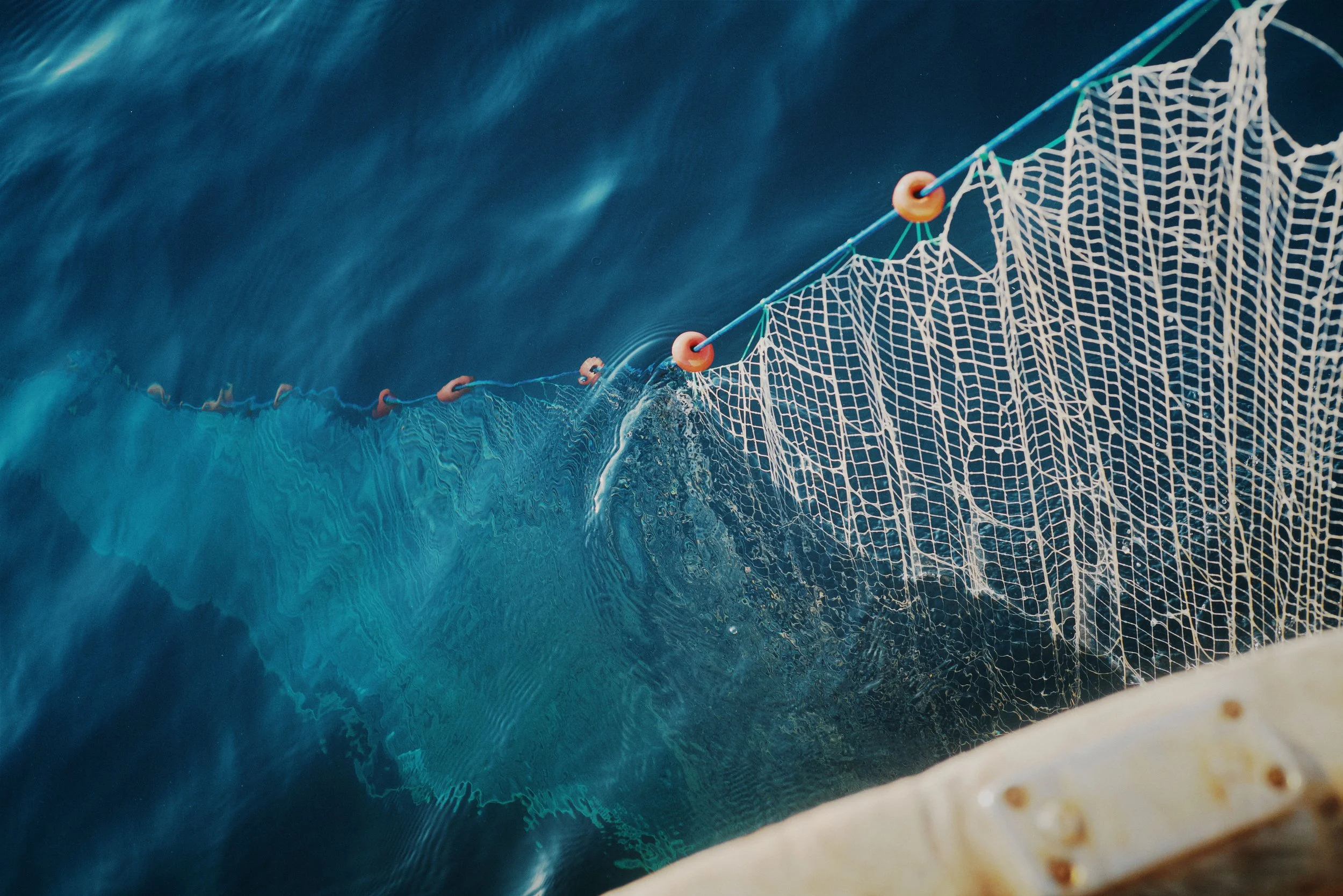
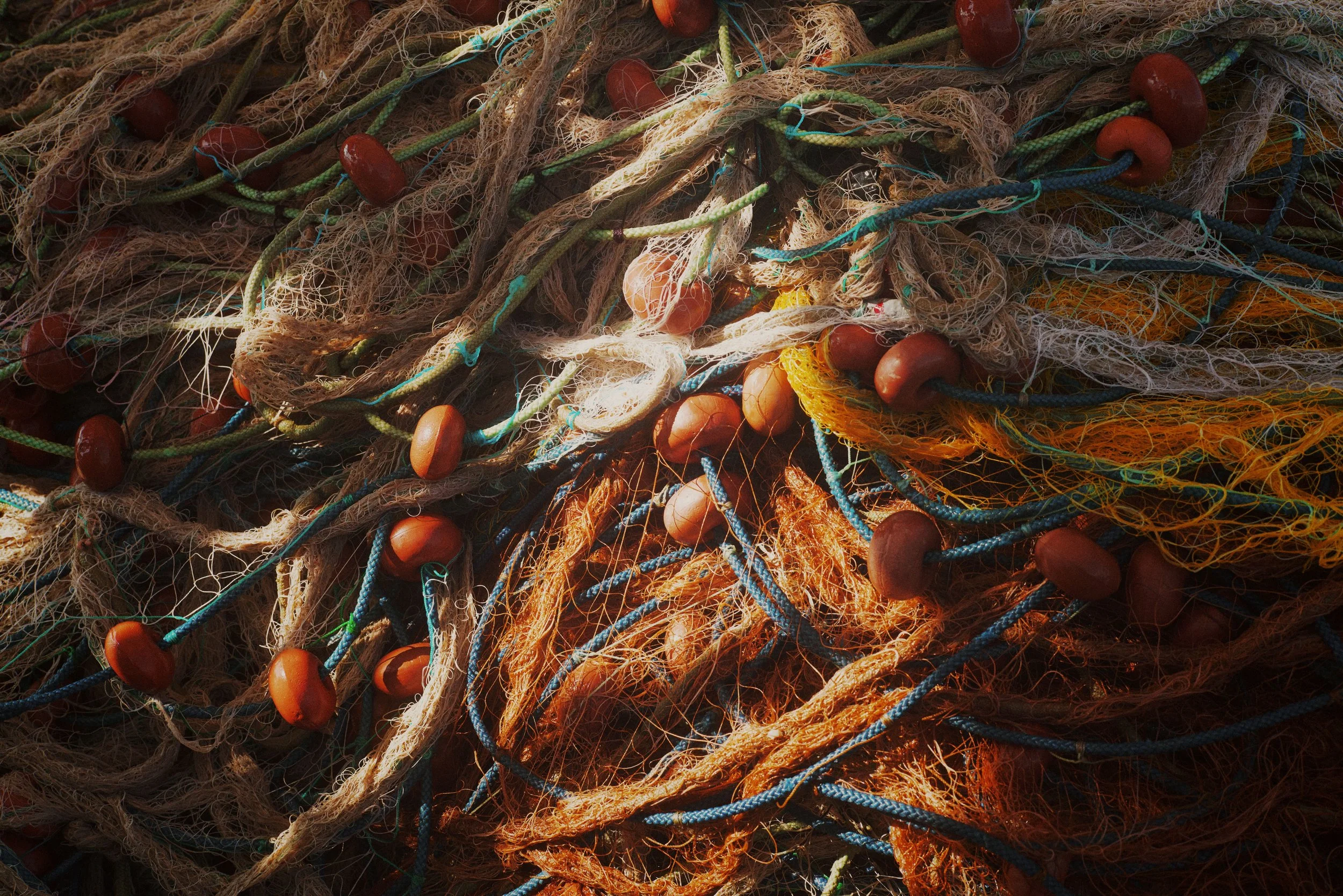
The shoals of fish aren’t moving as much as they do in the Greek winter. This will be reflected in his catch. Every morning, Stelios coordinates his position with the other fishermen so that none of them get in each other’s way with their fishing nets, which are almost 2 km long. Normally, everyone sticks to the agreement, but not today. He is on the phone, visibly annoyed. One of the fishermen is too close to his position. He has to adjust slightly, but quickly regains his composure and lowers his net into the water by hand. He has converted his boat himself so that he can control parts of it from the stern. The net is now completely submerged in the sea, and the sunlight is beginning to break through. Now it’s a case of waiting. Every day, he waits for just under two hours before hauling the net back in. It consists of many small, interconnected sections, which he has assembled himself.
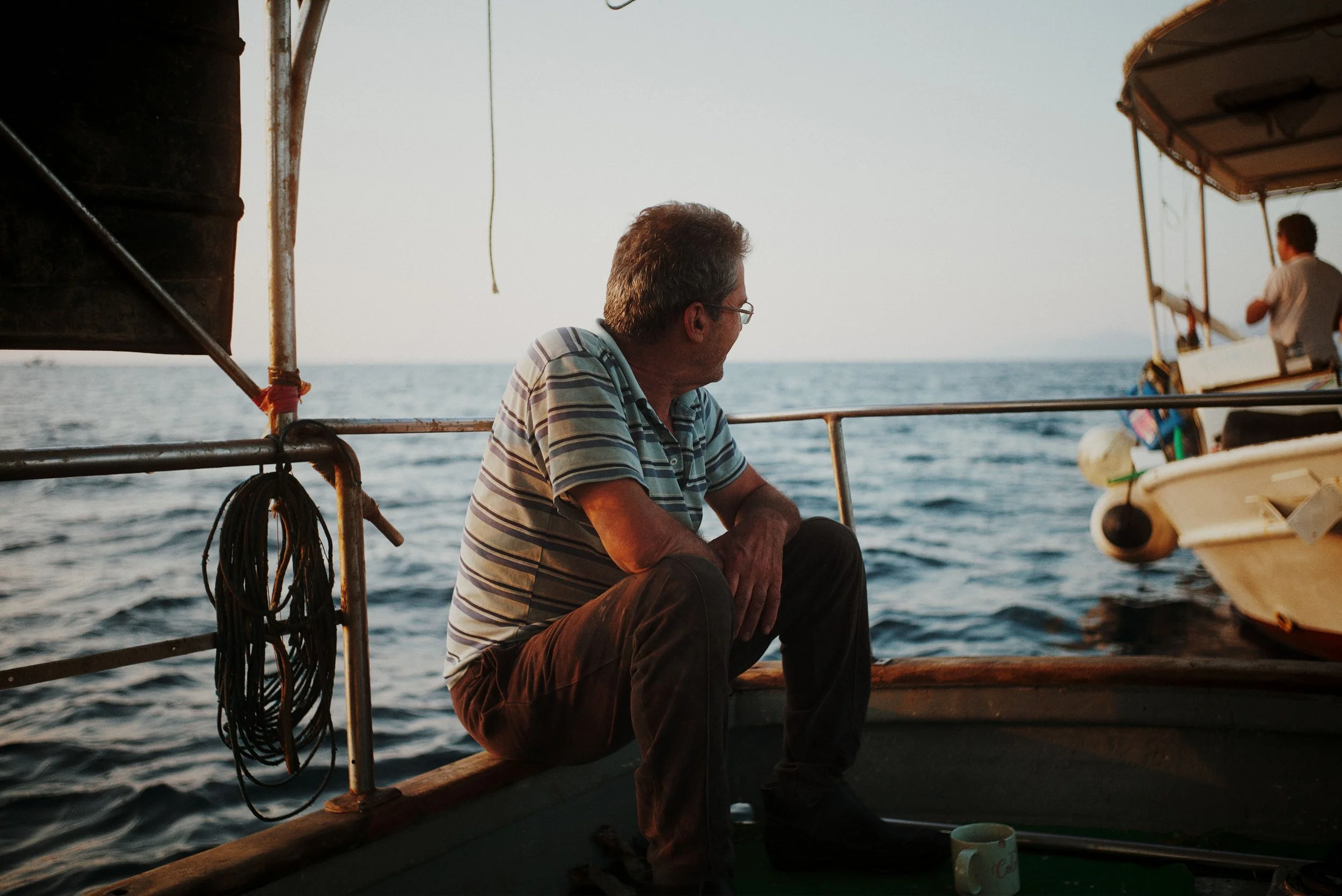
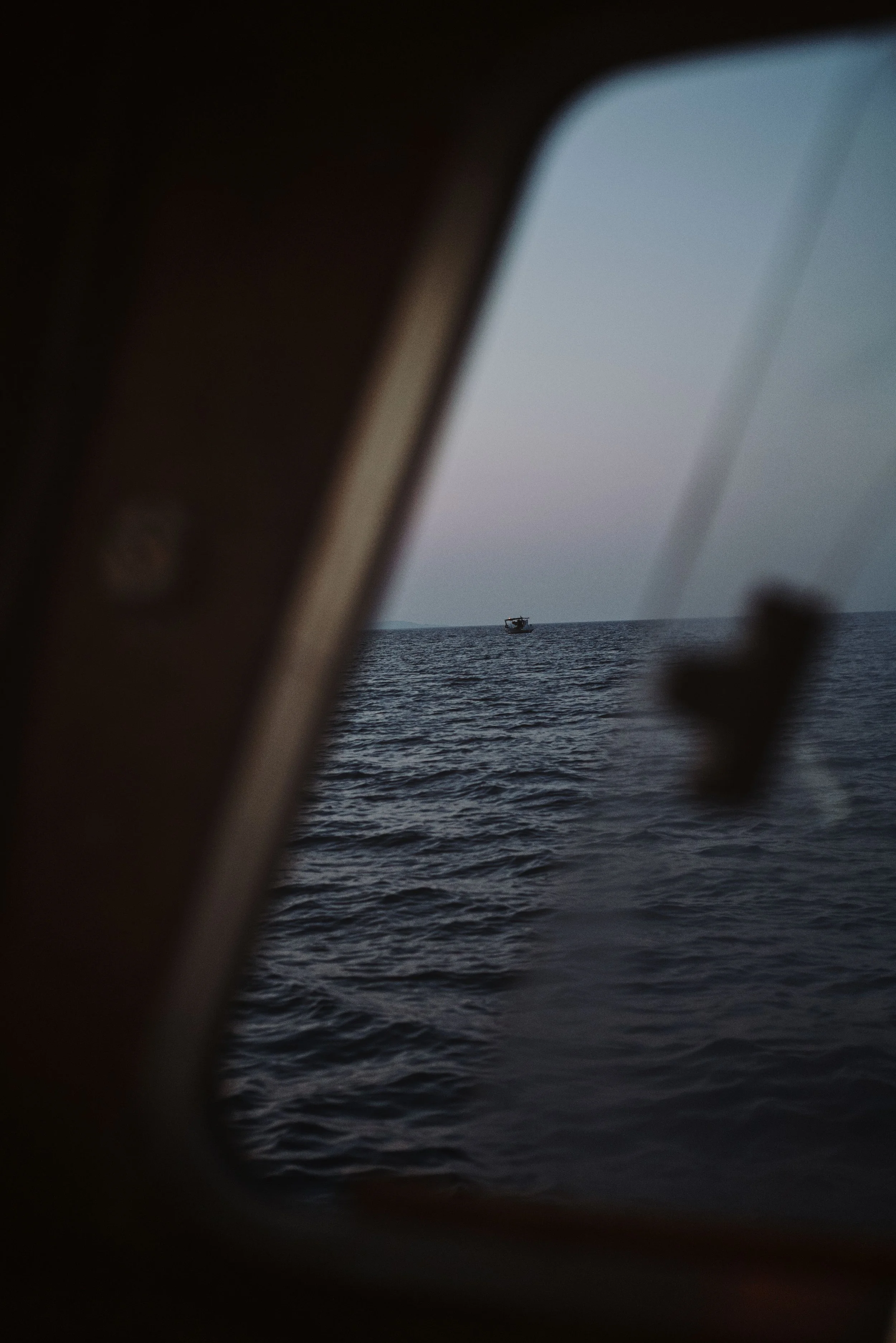
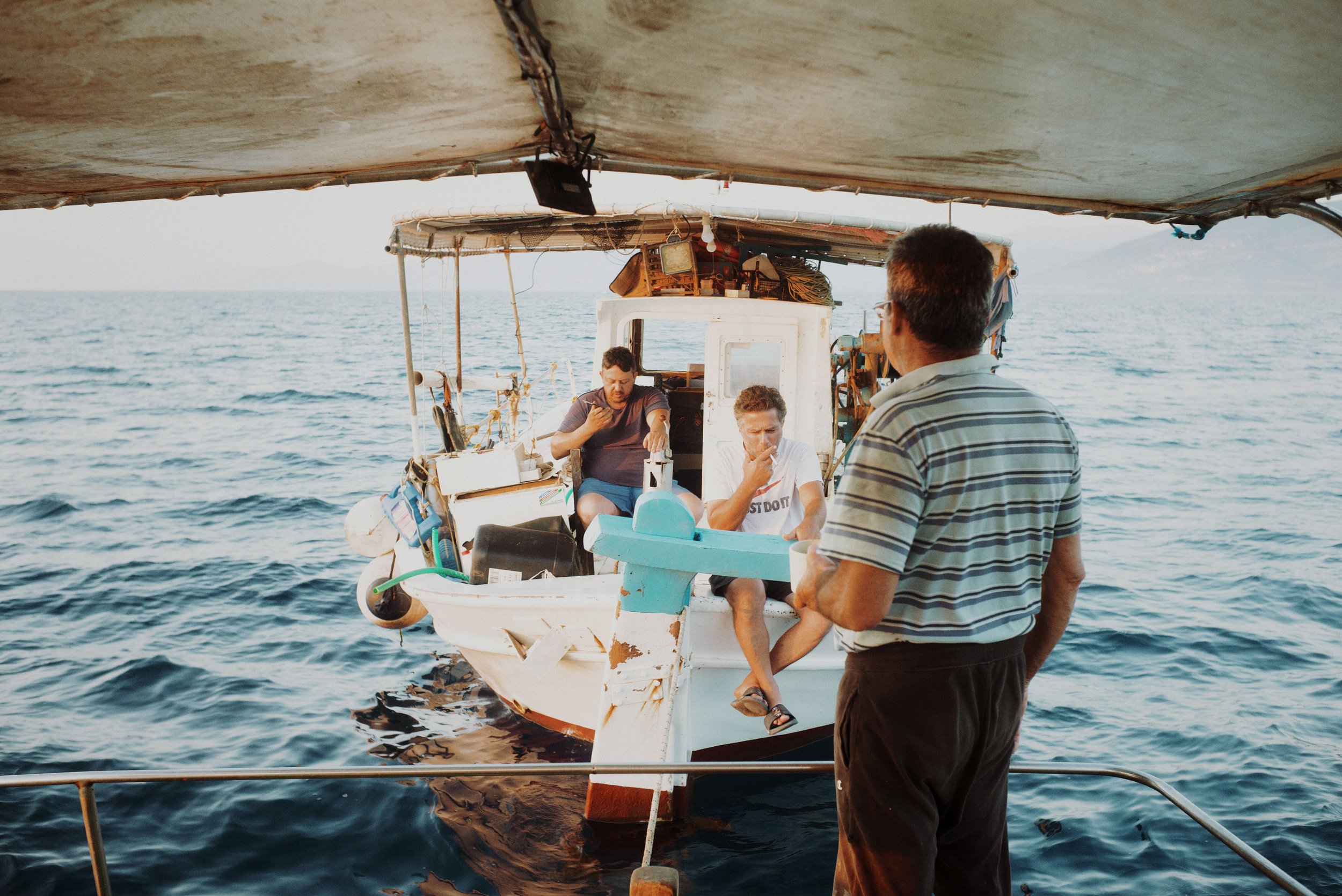
A boat appears in the distance; at first, it’s not clear whether it’s the coastguard. It turns out to be friends of Stelios, two friendly men from Nafplio. Konstantinos and Jiannis share the boat. We listen to the life stories of the three fishermen; they share their coffee with us. They are almost the only fishermen left there. Their children have already emigrated or have chosen a different career path. There are hardly any young people left in the region who are learning to fish. This is mainly due to the lack of financial security: No one can predict how much fish will be in the net at the end of the day. If the weather changes, a storm breaks out or someone falls ill, there is no government support. If all goes well, the fishermen earn €80 for their entire catch, which they sell at midday to one of the fish tavernas in the area.
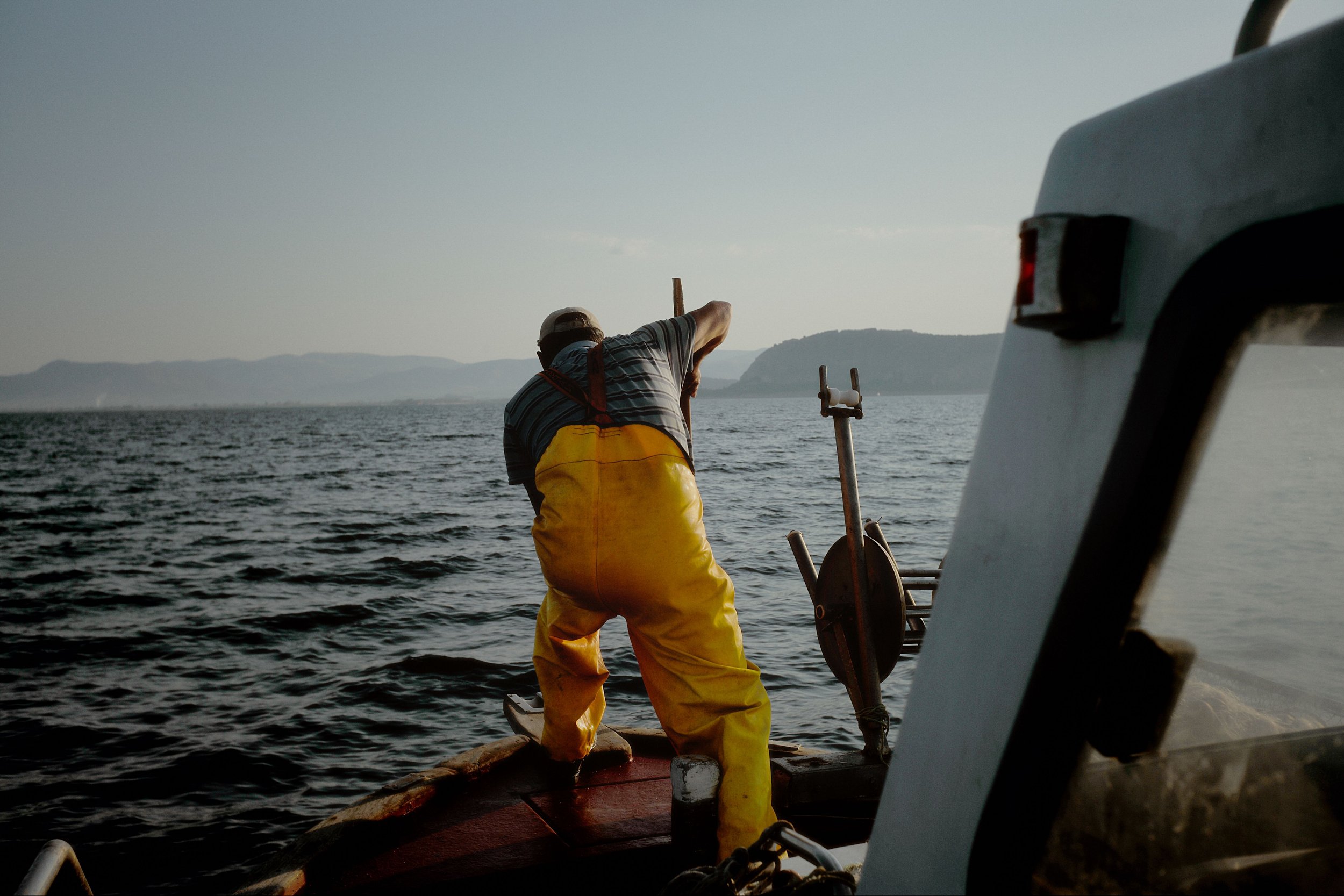
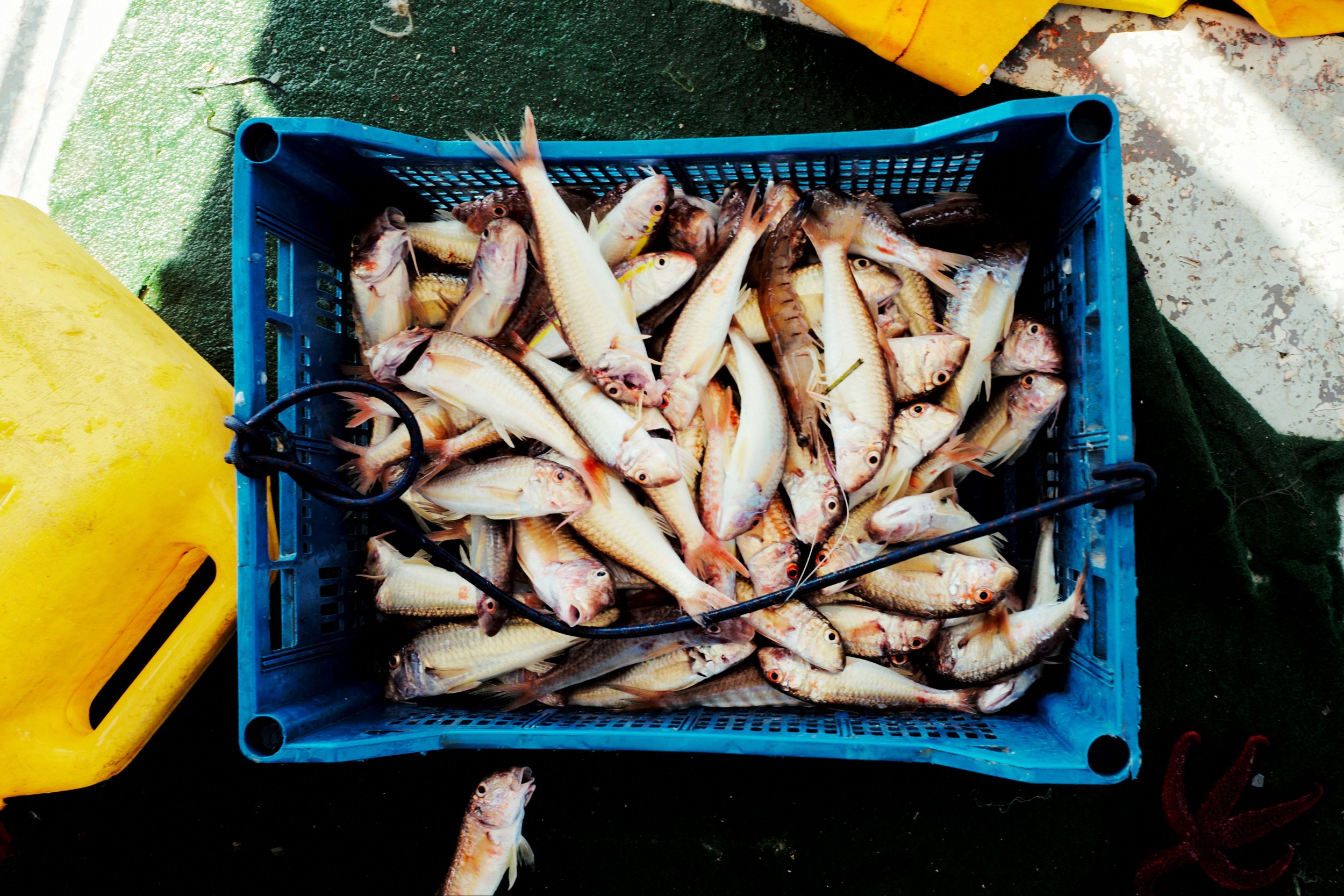
Almost two hours have passed, and the sun has warmed the boat. The other two fishermen have moved on, and Stelios begins to haul the net and the fish into the boat. He has a machine for this, but first he has to ‘fish’ a plastic container, which forms the start of the net, out of the water by hand. Then he sorts through his catch; the seagulls surrounding his boat are delighted whenever he sets aside a fish that isn’t destined for the tavernas and throws it back into the water. Two kilometres of net are back on board. The scales show a catch of four kilos, which is probably worth around €50. Shrimp fishing is planned for the next day; Stelios will probably earn a few euros more then.
After every day’s fishing, he heads straight back into the sea for a lovely morning swim. There, he often sees friends and colleagues.
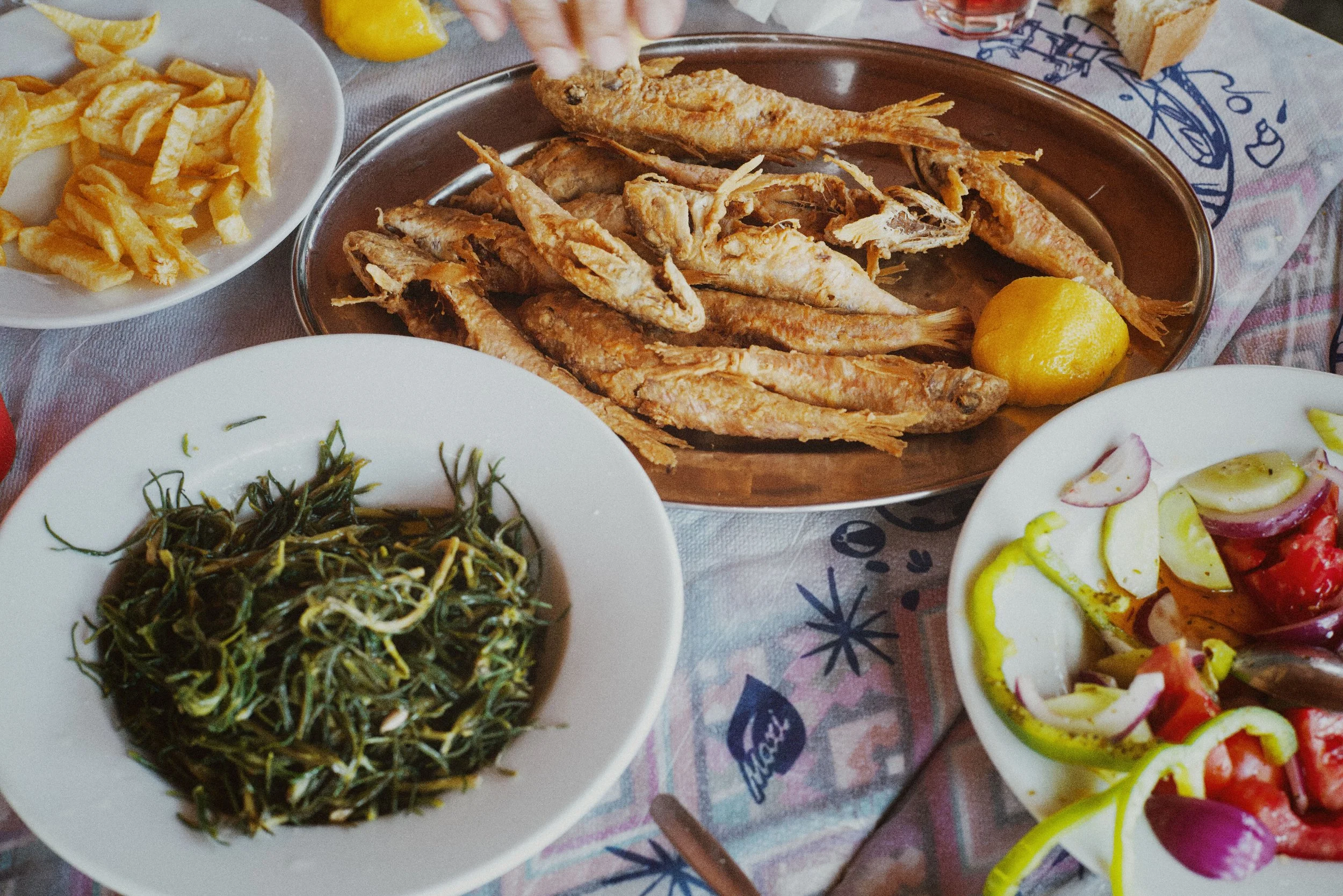
A day later, we met Stelios again and invited him to lunch at the local fish tavern. On our table was the fish we’d caught together.